
Meals That Stabilize Energy Levels
Discover our comprehensive guide to meal planning that maintains steady energy throughout your day. Explore evidence-based eating strategies designed to prevent energy crashes and support sustained mental clarity and physical performance.
Energy Stability Impact
Sustained energy between balanced meals
Optimal protein intake per main meal
Carbohydrate to protein ratio for stability
Fibre content supports steady glucose levels
Why Energy Crashes Happen and How Food Fixes It
Understanding the link between meal composition and energy levels empowers you to make choices that support your wellbeing throughout the day.
The Science Behind Energy Stability
Energy crashes typically occur when meals contain refined carbohydrates without adequate protein and fibre. This causes rapid blood sugar spikes followed by sharp drops, leaving you exhausted and unfocused.
By combining complex carbohydrates with lean proteins and healthy fats, you create a balanced nutritional environment that releases energy gradually. This approach keeps your brain and body performing optimally without the afternoon slump.
- Protein slows digestion: Keeps you fuller longer and stabilises blood glucose
- Fibre supports absorption: Prevents rapid sugar spikes and crashes
- Healthy fats sustain energy: Provide long-lasting fuel for concentration
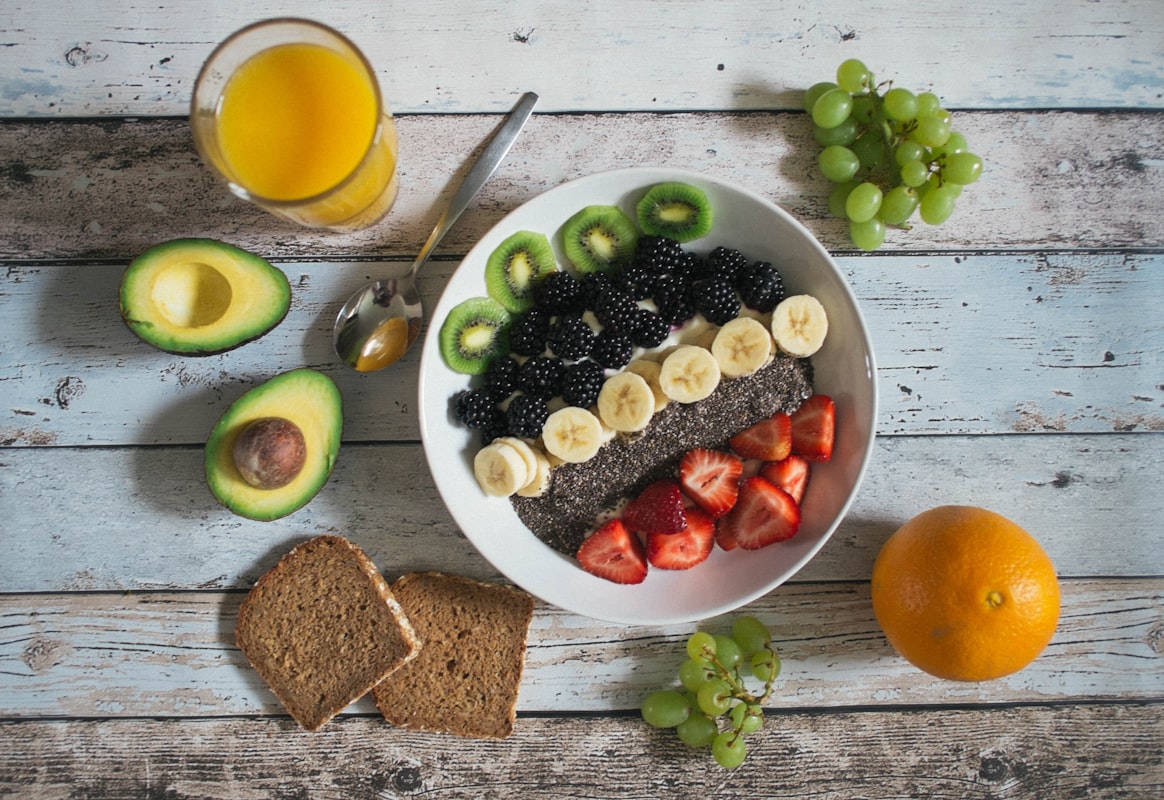
Featured Stabilizing Meals
Explore meal ideas designed to maintain consistent energy throughout your day. Each option combines protein, complex carbohydrates, and nutrient-dense ingredients.

Grilled Chicken with Quinoa Bowl
Lean protein from grilled chicken pairs with complete amino acid profile of quinoa. Roasted broccoli and carrots add fibre and micronutrients for sustained energy.
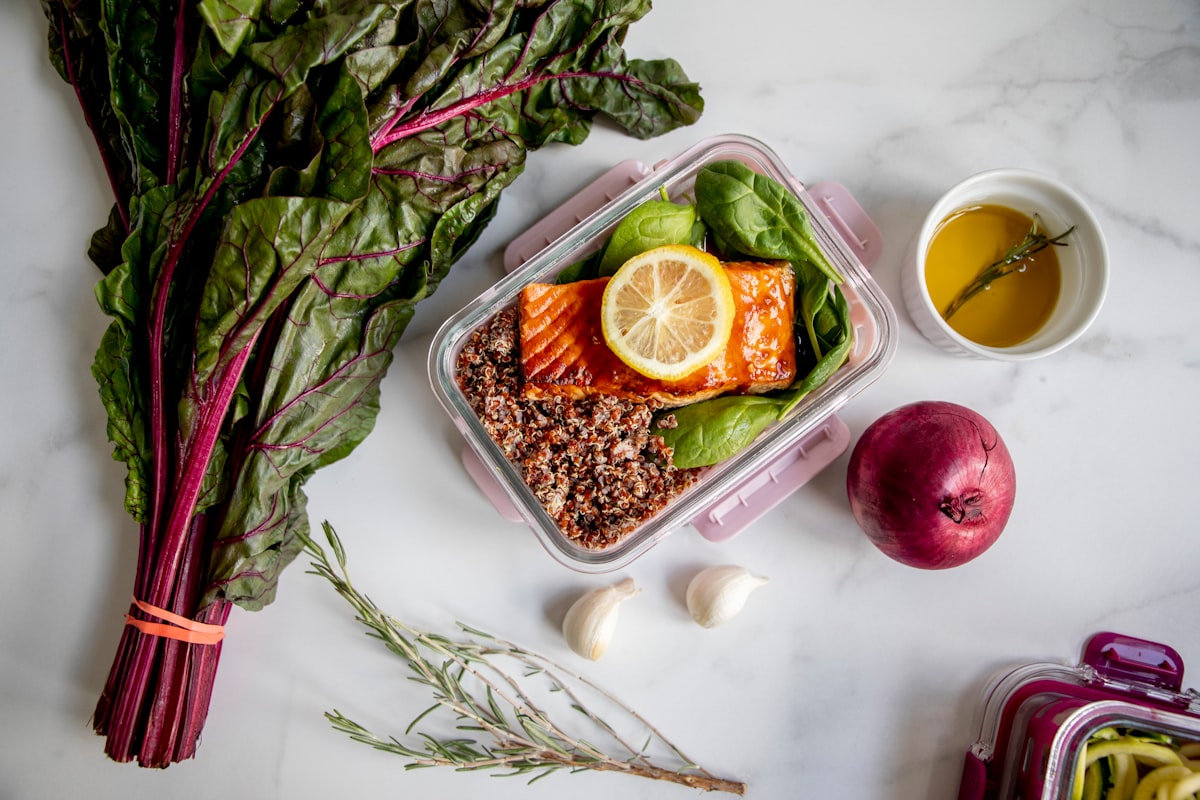
Omega-3 Rich Salmon & Sweet Potato
Wild salmon provides omega-3 fatty acids that support brain function. Sweet potato delivers complex carbohydrates whilst green beans contribute essential fibre for steady glucose release.
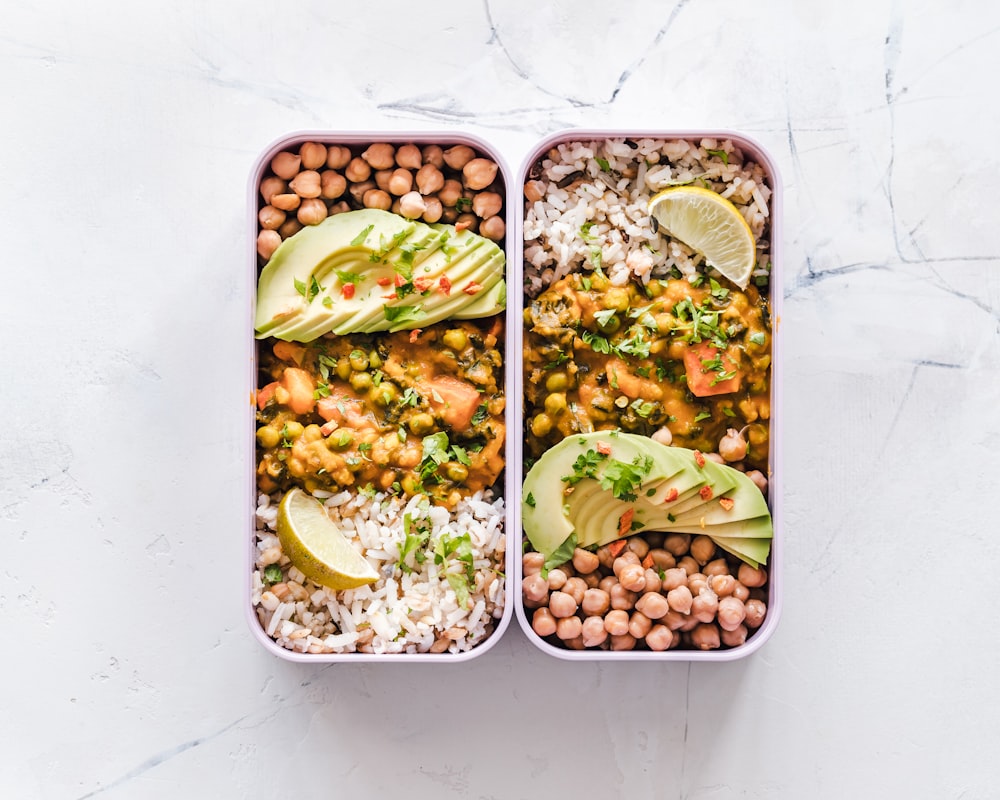
Protein-Packed Breakfast Parfait
Greek yogurt delivers substantial protein whilst berries provide antioxidants and natural fibre. Granola made with whole oats creates a satisfying texture with sustained energy release.

Lean Turkey & Avocado Sandwich
Sliced turkey breast offers lean protein with minimal fat. Avocado provides healthy monounsaturated fats and creamy texture whilst wholemeal bread supplies complex carbohydrates and fibre.

Hearty Lentil & Vegetable Soup
Lentils are plant-based protein powerhouses packed with fibre. Mixed vegetables provide vitamins and minerals whilst the warm liquid aids digestion and promotes satiety throughout afternoon hours.
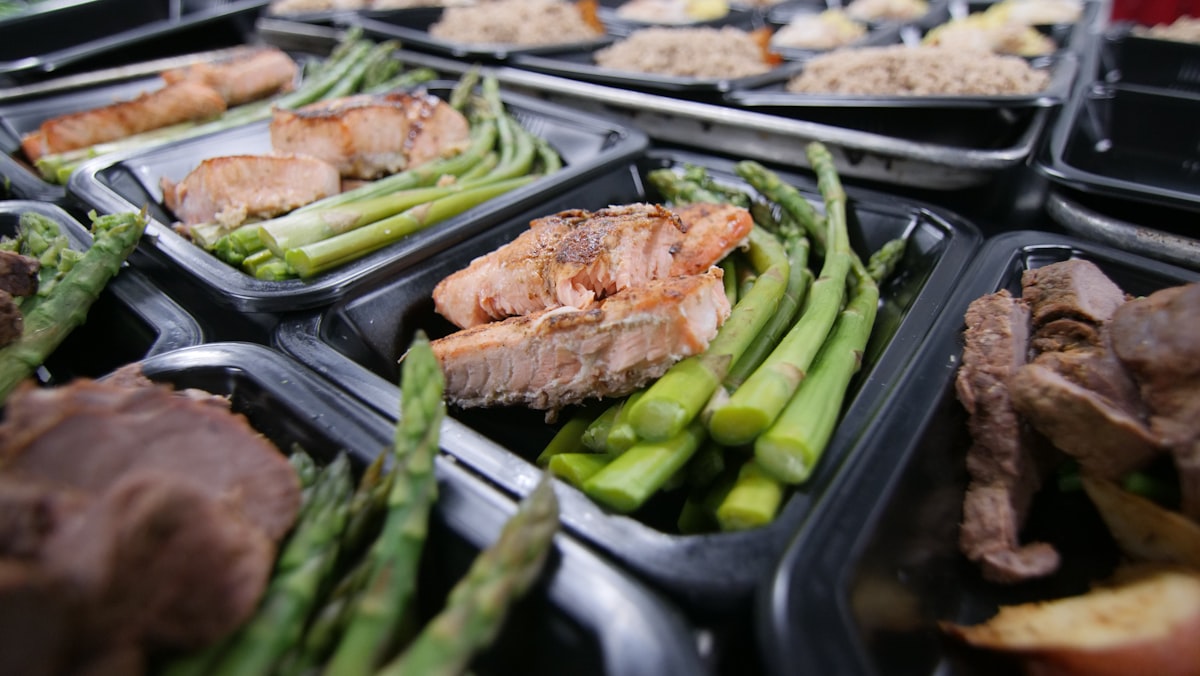
Lean Fish with Brown Rice
White fish like cod offers pure protein with minimal fat content. Brown rice provides B vitamins that support energy metabolism. Steamed broccoli rounds out the plate with nutrients and fibre.
4-Step Meal Planning Guide
Assess Your Baseline
Track your current eating patterns for 3-5 days. Note when you experience energy dips, hunger, or difficulty concentrating. This data reveals which meal patterns support your body's needs.
Build Balanced Plates
Create meals using the template: ¼ plate lean protein, ¼ plate complex carbohydrates, ½ plate vegetables and salad. Add a small portion of healthy fat like olive oil or nuts for absorption and satiety.
Plan Ahead Weekly
Dedicate Sunday evening to planning meals for the week. Choose three breakfast, three lunch, and three dinner options from stable energy recipes. Prepare shopping lists and consider simple batch cooking.
Monitor and Adjust
After implementing your new meal plan, observe energy levels throughout the day for 2-3 weeks. Note which meals keep you most satisfied. Refine portions and meal timings based on your personal response.
Inspiring Meal Combinations
Discover real-world combinations that work together to maintain steady energy and mental clarity throughout your day.

Morning Power Bowl
Steel-cut oats provide sustained carbohydrate energy. Almond butter adds protein and healthy fats. Fresh banana supplies potassium whilst berries offer antioxidants. This combination fuels focus until lunch.
View full recipe guide →
Vegetarian Buddha Bowl
Chickpeas deliver plant-based protein and fibre. Roasted sweet potato provides complex carbs and micronutrients. Nutrient-dense kale and tahini dressing complete this satisfying lunch option that sustains energy all afternoon.
View full recipe guide →
Dinner: Lean Beef & Root Vegetables
Grass-fed beef provides bioavailable iron and complete amino acids. Roasted parsnips and carrots offer complex carbohydrates and natural sweetness. Green salad with olive oil adds fibre and healthy fats without excess calories.
View full recipe guide →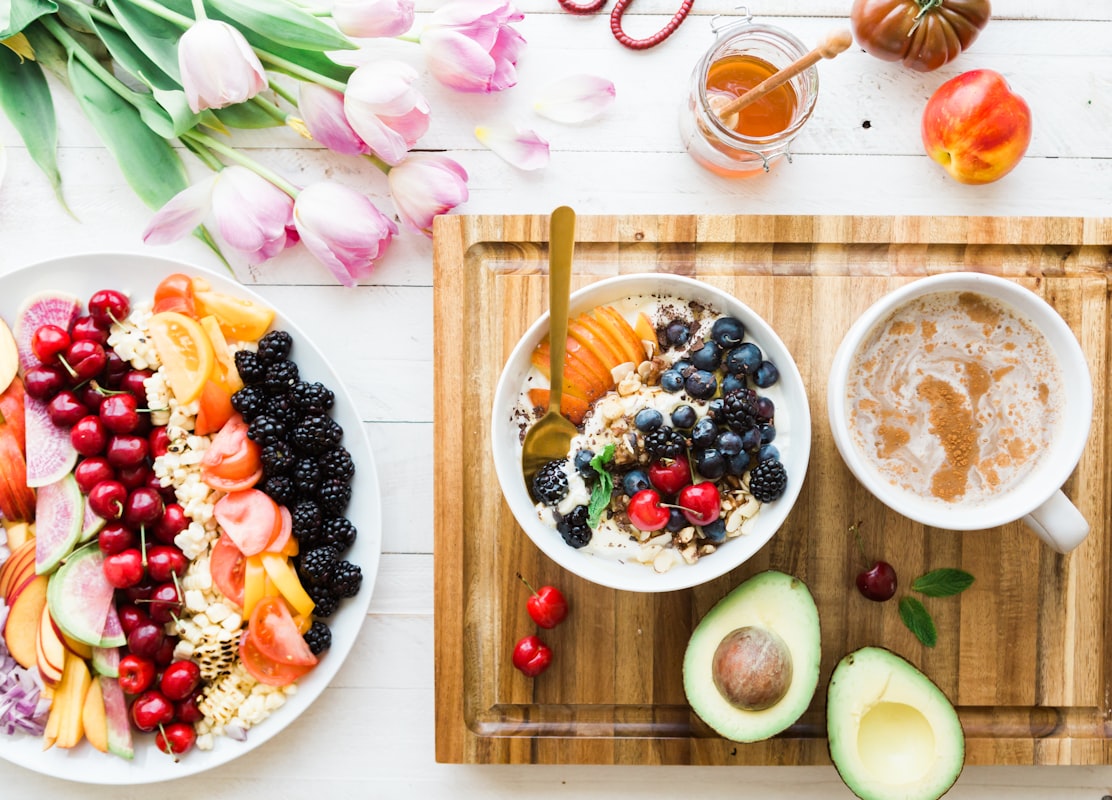
Smart Afternoon Snack
Chickpea hummus offers plant protein whilst vegetable sticks provide fibre and volume with minimal calories. Raw almonds contribute healthy fats and minerals. This combination prevents the late-afternoon energy crash.
View full recipe guide →Real Results from Real People
"I used to hit a wall at 3 PM every day, but after following the stable energy meal approach, I now work through until 6 PM with focus intact. The difference is remarkable. Understanding how protein and complex carbs work together completely changed my eating habits."
James Mitchell
Manchester, UK
"As someone with demanding job and family responsibilities, stable energy is everything. The meal ideas are straightforward and actually taste good. I'm sleeping better, my mood is more balanced, and I no longer reach for sugary snacks mid-afternoon."
Sarah Thompson
London, UK
"I'm a gym enthusiast and was surprised how much better I perform when eating balanced meals. The guide helped me understand that carbs and protein timing matters. My workouts are stronger and I recover faster now. Highly informative content."
David Chen
Leeds, UK
Common Questions About Energy-Stable Eating
Most people find eating three main meals plus one or two snacks works best for sustained energy. The key is spacing meals approximately 4-5 hours apart. This timing prevents prolonged hunger whilst avoiding excessive snacking. Some individuals thrive on three meals alone, whilst others benefit from a mid-morning or afternoon snack. The optimal pattern depends on your activity level, metabolism, and daily schedule. Experiment to find what feels most stable and energizing for your body.
Refined carbohydrates like white bread, sugary breakfast cereals, biscuits, and confectionery cause rapid blood sugar spikes followed by crashes. Beverages high in added sugars including soft drinks, sweetened coffee drinks, and energy drinks have the same effect. Processed foods typically contain little protein or fibre relative to their carbohydrate content, making them particularly destabilizing. Even seemingly healthy options like commercial granolas, fruit juices, and low-fat snack bars often contain surprising amounts of added sugar. Focus instead on whole grains, legumes, vegetables, and minimally processed foods.
Dehydration is a frequently overlooked cause of fatigue and difficulty concentrating. Even mild dehydration reduces physical performance and mental clarity. Aim to drink water consistently throughout the day, particularly with meals and between meals. A useful guideline is approximately 2-3 litres daily, though individual needs vary based on activity level, climate, and metabolism. Drinking water with meals aids digestion whilst maintaining hydration supports energy metabolism. Consider reducing caffeinated beverages if they contribute to dehydration, and remember that water-rich foods like vegetables and fruits also contribute to overall hydration.
Absolutely. Plant-based proteins including legumes (lentils, chickpeas, beans), tofu, tempeh, nuts, and seeds provide excellent protein when combined thoughtfully. Greek yoghurt and eggs offer animal-based protein for vegetarians who consume dairy or eggs. The key is consuming adequate quantity—typically 20-30 grams per meal—and combining different plant proteins to ensure complete amino acid profiles. For example, beans with rice, hummus with wholemeal bread, or tofu with quinoa each provide complete protein. Including healthy fats from avocados, nuts, seeds, and oils helps with protein absorption and satiety. We recommend consulting a nutritionist to personalise a vegetarian protein plan that meets your individual needs.
Ready to Transform Your Health?
Join thousands of people who've discovered the power of eating well and feeling great. Start your journey today with personalised nutrition guidance.
What Our Community Says
"Eatwellfeelgreat completely changed how I approach food. I have more energy, better sleep, and I've lost significant weight without feeling deprived. The meal plans are practical and delicious!"
Sarah Mitchell
London, UK
"I was sceptical about dietary changes, but the evidence-based approach here made it click for me. My doctor is impressed with my cholesterol levels. Highly recommend!"
Robert Johnson
Manchester, UK
"As a busy mum, I needed something realistic. These meal plans save me time and money, and my whole family enjoys the meals. This is sustainable nutrition!"
Emma Clarke
Bristol, UK
Eatwellfeelgreat
Evidence-based nutrition guidance for a healthier, happier you.
Services
Resources
© 2024 Eatwellfeelgreat – VAT: GB894 5594 44. All rights reserved. | Privacy Policy | Terms of Service