
Discover How Balanced Meals Stabilize Your Energy
Learn the science behind nutrient timing, macronutrient balance, and food combinations that keep your energy steady throughout the day.
Core Features of Energy-Stabilizing Meals
Balanced Macronutrients
Each meal combines protein, healthy fats, and complex carbohydrates in optimal ratios. This trio slows glucose absorption, preventing blood sugar spikes and the energy crashes that follow.
Strategic Meal Timing
Eating at consistent intervals and pairing carbs with protein ensures your body receives steady fuel. We guide you on breakfast windows, lunch timing, and smart snack placement for continuous energy.
Whole-Food Ingredients
Our meal ideas prioritise whole grains, legumes, lean proteins, and seasonal vegetables. These foods provide sustained-release energy plus vitamins and minerals your body needs for focus and vitality.
Hydration Support
Dehydration drains energy fast. We emphasise water intake with meals and throughout the day, plus water-rich foods like leafy greens and berries to keep your system performing optimally.
Simple, Real Recipes
Energy-stable eating doesn't require complex techniques or rare ingredients. Our recipes use items you find in UK supermarkets, ready in 20–40 minutes, with minimal prep so you stay consistent.
Personalisation Guidance
Every person's energy needs differ by activity level, metabolism, and daily rhythm. Our guides help you adjust portion sizes, meal frequency, and food choices to match your unique lifestyle.
Why Balanced Meals Matter for Steady Energy
Most energy dips stem from rapid blood sugar changes. When you eat refined carbs or sugary foods alone, your glucose spikes, triggering an insulin response that causes a subsequent crash. This leaves you fatigued, irritable, and reaching for caffeine or more sugar—a vicious cycle.
Meals that combine protein, fat, and complex carbohydrates slow nutrient absorption. Your body digests these foods gradually, releasing glucose steadily into the bloodstream. This keeps your insulin response moderate, your blood sugar stable, and your energy consistent from breakfast through bedtime.
Additionally, whole foods deliver micronutrients—B vitamins, iron, magnesium, and antioxidants—that your cells need to produce energy and repair tissue. Without them, even adequate calories won't sustain mental clarity or physical endurance.
Read our energy stability guide
Your 5-Step Energy Stabilisation Journey
Understand Your Baseline
Track your current eating patterns and energy levels for a few days. Note when you feel most alert and when you crash. This baseline helps you spot which meals or habits trigger dips.
Build Your Plate Template
Use the simple formula: 1/4 lean protein, 1/4 complex carbs, 1/2 vegetables plus healthy fats. Apply this to breakfast, lunch, dinner, and any snacks. Consistency is more important than perfection.
Choose Energy-Stable Foods
Stock your kitchen with oats, eggs, beans, chicken, fish, nuts, leafy greens, berries, and olive oil. Swap white bread for wholemeal, refined pasta for lentil-based varieties. Small swaps compound quickly.
Set Meal Timing
Eat within 1–2 hours of waking, then space meals 4–5 hours apart. If energy dips mid-afternoon, add a balanced snack (apple with almond butter, hummus with vegetables). Adjust based on your rhythm.
Monitor & Refine
After 1–2 weeks, reassess. Do you feel more alert? Is afternoon brain fog gone? Adjust portions, meal timing, or food choices. Energy stability builds gradually—small tweaks create lasting change.
Meal Categories for Sustained Energy
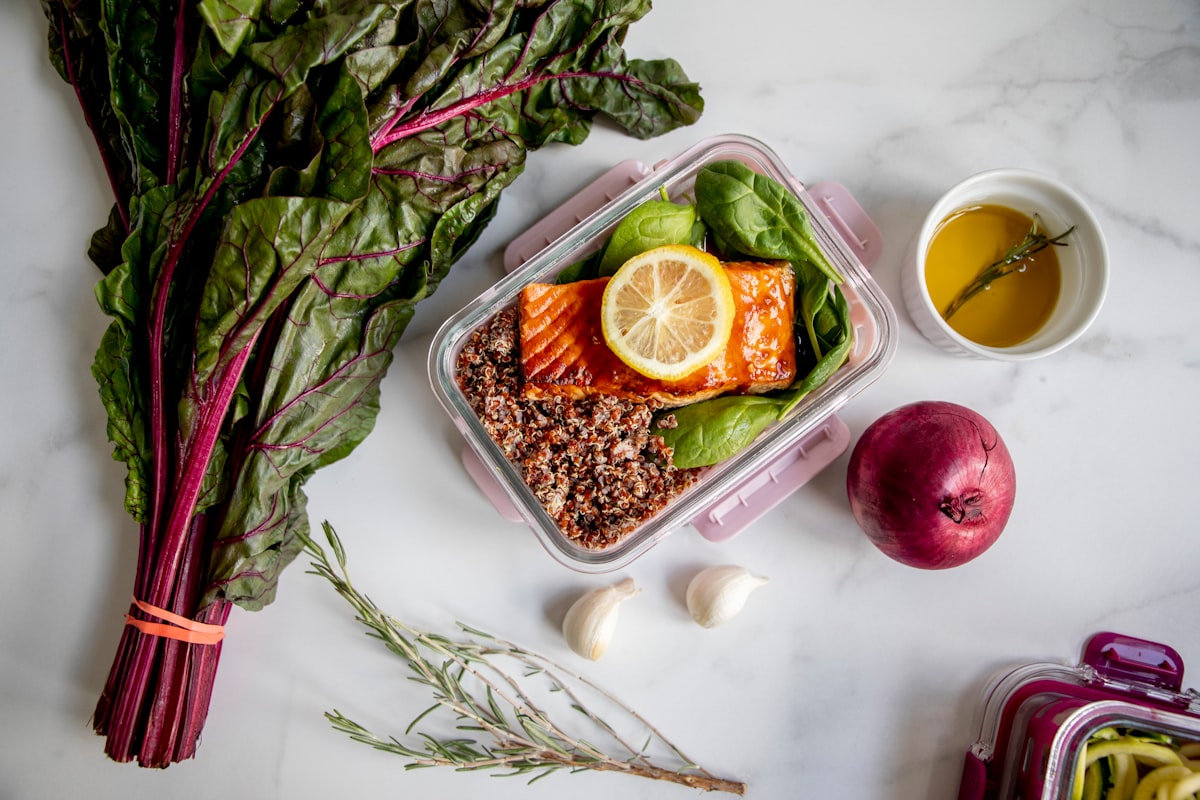
Breakfast Power Options
Start your day with oats topped with berries and nut butter, scrambled eggs with wholemeal toast, or Greek yoghurt with granola and seeds. These meals deliver protein and fibre, setting a stable energy tone for hours.
- Oat-based porridges
- Egg dishes with vegetables
- Yoghurt with nuts and fruit

Midday Sustained Energy
Lunch is your largest opportunity to lock in afternoon stability. Combine lean meats or plant proteins with brown rice or sweet potatoes, plus roasted vegetables and a drizzle of olive oil. This keeps you satisfied and alert until dinner.
- Grain bowls with pulses
- Lean protein with vegetables
- Soups packed with legumes

Smart Snacking
Afternoon energy dips? A balanced snack prevents overeating at dinner and keeps your mind sharp. Pair carbs with protein or fat: apple with almond butter, cheese with wholegrain crackers, or hummus with vegetables.
- Nut butters with fruit
- Cheese and crackers
- Dips with raw vegetables

Evening Stability & Rest
A well-balanced dinner eaten 2–3 hours before bed supports stable overnight energy and better sleep. Include lean proteins, whole grains, and plenty of vegetables, with portion control to avoid digestion disrupting sleep.
- Fish with sweet potato
- Vegetable-based curries
- Slow-cooked stews
Plant-Based Energy
No animal products needed. Legumes, lentils, tempeh, tofu, and plant-based milks deliver protein and complex carbs for stable energy. Combine with grains, seeds, and seasonal vegetables for complete nutrition.
- Lentil and vegetable dishes
- Bean-based salads
- Tofu-based stir-fries

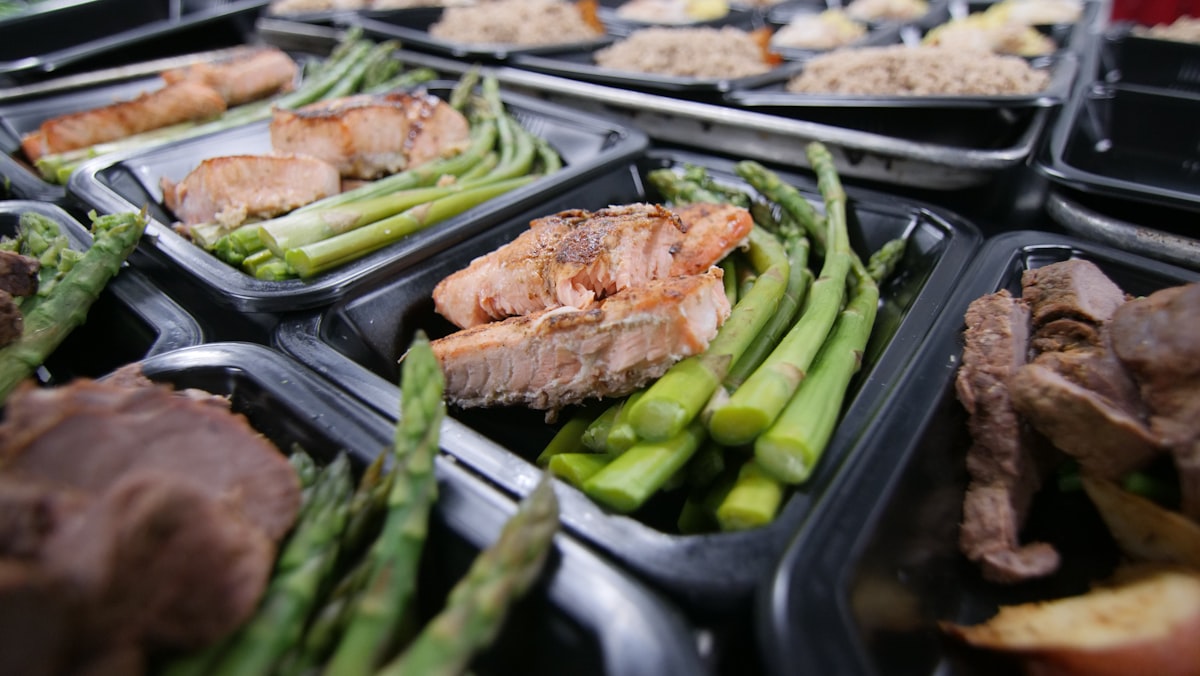
Prep & Batch Cooking
Consistency wins with preparation. Cook grains and proteins in bulk on Sundays, portion roasted vegetables, and assemble meals throughout the week. Ready-made balanced meals make it easy to avoid energy-draining skipped meals or fast food.
- Weekly grain prep
- Protein batch cooking
- Portion-controlled storage
Common Questions About Energy-Stable Eating
Most people report noticing differences within 3–5 days of eating balanced meals consistently. The afternoon slump may ease first, followed by steadier morning alertness and fewer energy crashes. Full adaptation typically takes 2–3 weeks as your body adjusts to stable blood sugar patterns.
Not necessarily. The plate template—1/4 protein, 1/4 complex carbs, 1/2 vegetables—works without strict counting. If you're very active or have specific goals, loosely tracking macros for a week can help you understand portion sizes. Most people thrive by eating mindfully using visual guides.
Energy-stable meals don't need to be complex. Rotisserie chicken, pre-cooked rice, tinned beans, frozen vegetables, and ready-made salads combine quickly. Overnight oats, nut butter on toast, or Greek yoghurt with granola take minutes. Quality matters more than cooking time.
Absolutely. The key is context. A slice of cake after a balanced lunch causes minimal energy disruption. Eating it on an empty stomach or as your entire breakfast creates a spike-and-crash. Occasional treats are fine; it's daily patterns that matter most for sustained energy.
Exercise burns calories and can create short-term energy dips. Eat a light balanced snack 1–2 hours before workouts (banana with almond butter) and refuel within 30–60 minutes after intense exercise with protein and carbs. This maintains stable energy throughout the day and supports recovery.
Limit refined sugars, white bread, and highly processed foods—they spike and crash blood sugar quickly. Excessive caffeine can mask fatigue signals and disrupt sleep, affecting next-day energy. That said, occasional indulgence is fine. Focus on what you add (whole foods) rather than strict restriction.
Real Stories from Our Community
I was crashing at 3 PM every day, reaching for chocolate and coffee just to survive until dinner. After switching to balanced breakfasts and midday snacks with protein, my afternoon brain fog lifted completely. I now have consistent energy throughout the day without the jitters. The meal ideas are genuinely practical.
Sophie Carter
Manchester, England
As someone who skipped breakfast and grabbed fast food for lunch, my energy was all over the place. The energy guide helped me understand why spikes and crashes happen. Now I prep meals on Sunday, eat balanced lunches, and my focus at work is sharper. I sleep better too, which I didn't expect.
James Patel
Birmingham, England
Being plant-based, I worried balanced energy meals would be complicated. The plant-based section showed me it's easy with legumes, lentils, and seeds. My energy is now stable without animal products, and I feel more confident in my nutrition. The article is clear and honest—no gimmicks, just solid advice.
Olivia Chen
London, England